November 18, 2025 – Linzhou Public Service Railway Equipment Manufacturing Co., Ltd. (Linzhou Public Service Railway Equipment for short) has noted an important infrastructure plan. Kenyan President Ruto announced that the second phase of Kenya’s Naivasha-Malaba Railway (Naivasha to Malaba section) will officially start construction in January 2026. As a professional enterprise deeply rooted in the railway equipment manufacturing sector, the company is fully prepared. It is ready to inject strong momentum into the construction and operation of this East African trade artery with its mature products and technologies.

Project Positioning: A Key Hub for East African Cross-Border Trade
The second phase of the Naivasha-Malaba Railway has a total investment of approximately 5 billion US dollars. It extends westward from Naivasha, passing through Narok, Kisumu and other regions, and finally reaches the Malaba border crossing with Uganda. Moreover, this project is a core part of the East African Railway Master Plan. Its main goal is to replace the traditional meter-gauge railway with standard-gauge railway. This replacement will improve the Northern Transport Corridor and strengthen freight connectivity. Specifically, it will link the Port of Mombasa to Great Lakes region countries like Uganda, South Sudan and the Democratic Republic of the Congo. As a result, it will significantly reduce cross-border transportation costs and enhance regional logistics efficiency. Once completed, the railway will become a key channel connecting landlocked East Africa to the international market. Importantly, it will play a vital role in promoting regional economic integration.
Cooperation Alignment: Technical Strength Meets Core Project Needs
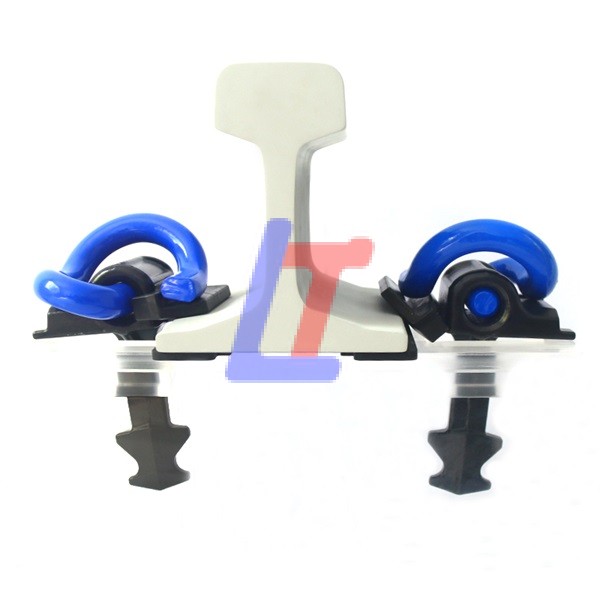
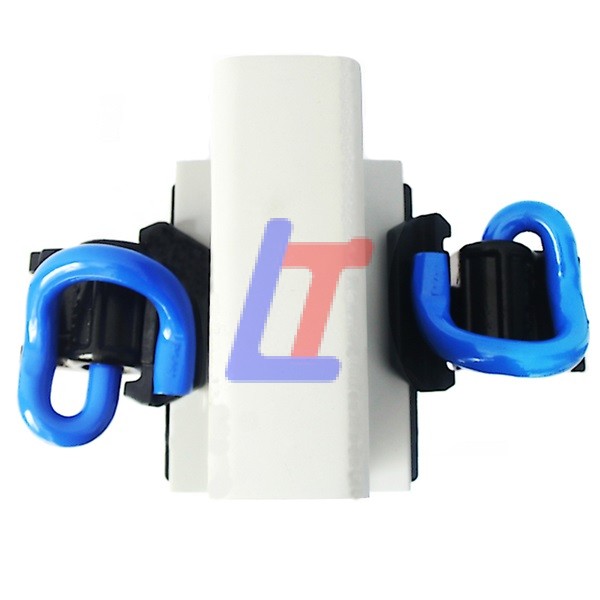
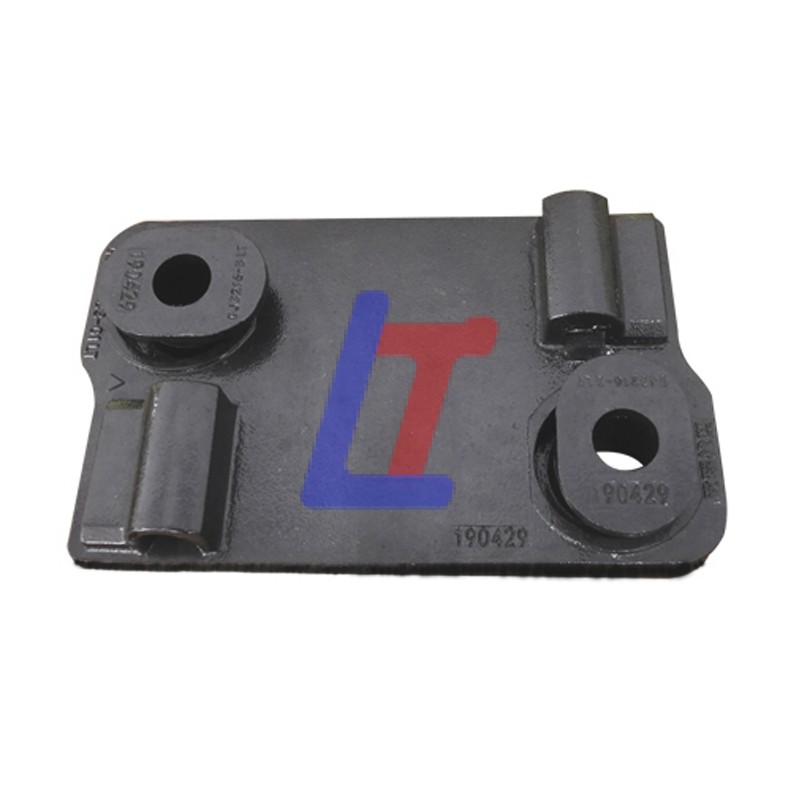
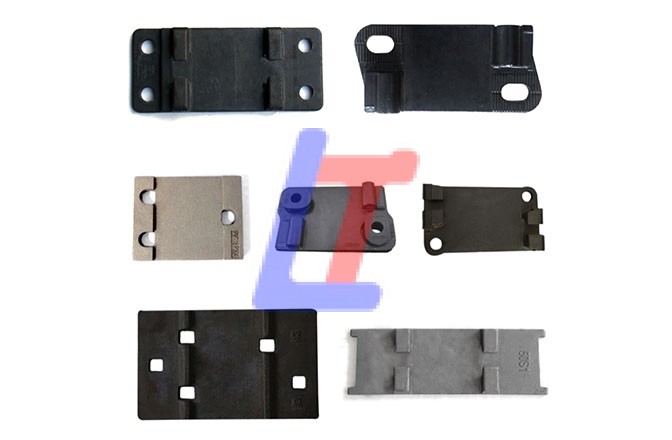
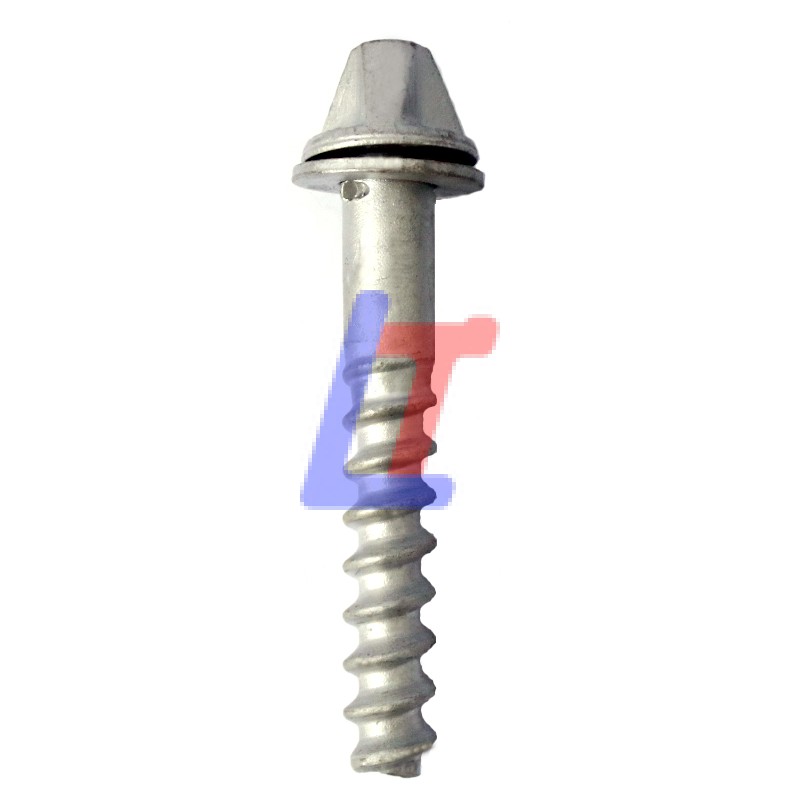
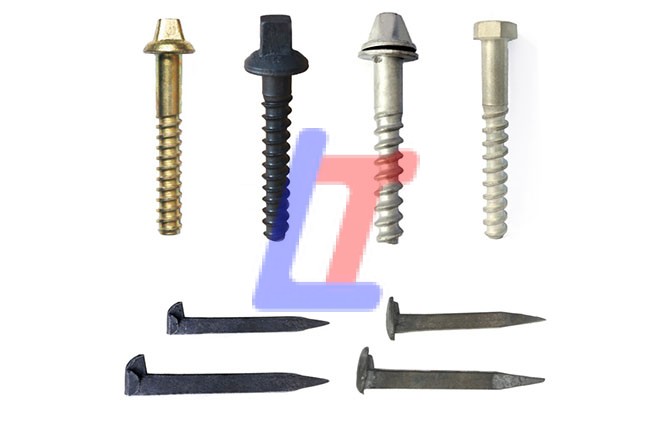
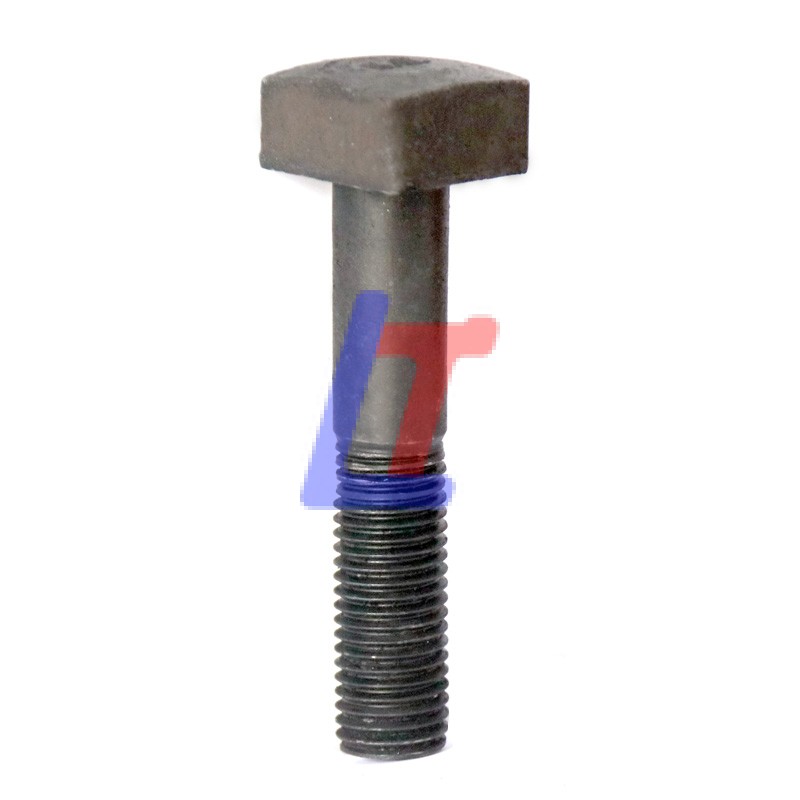
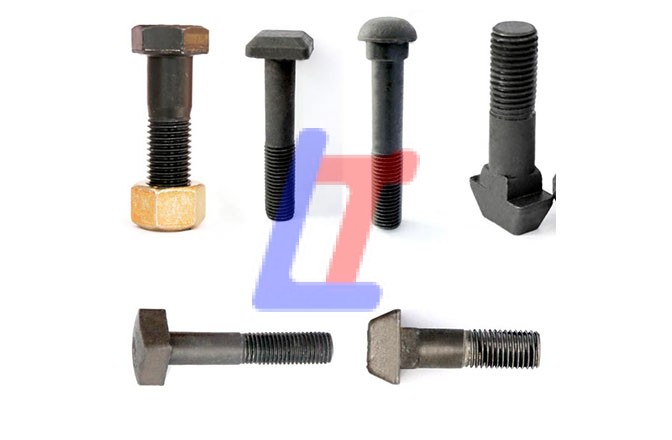
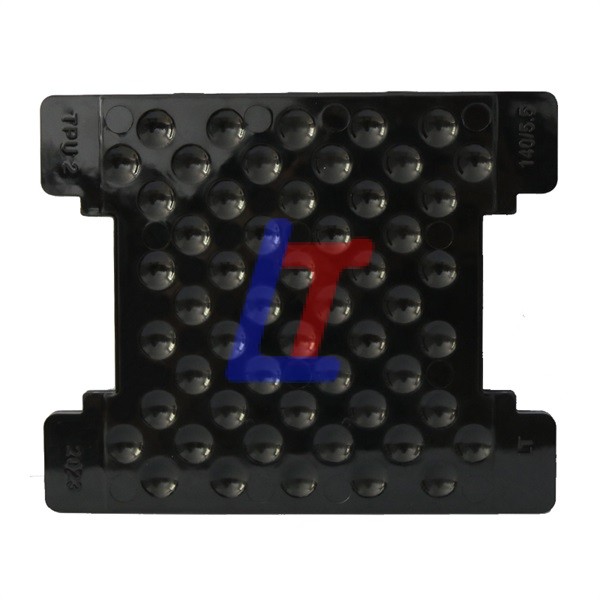
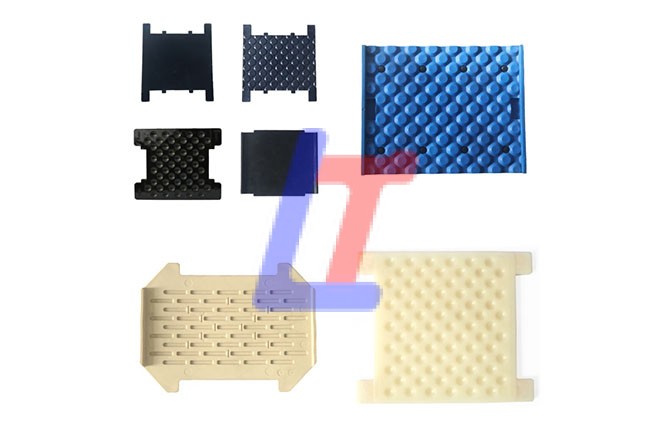
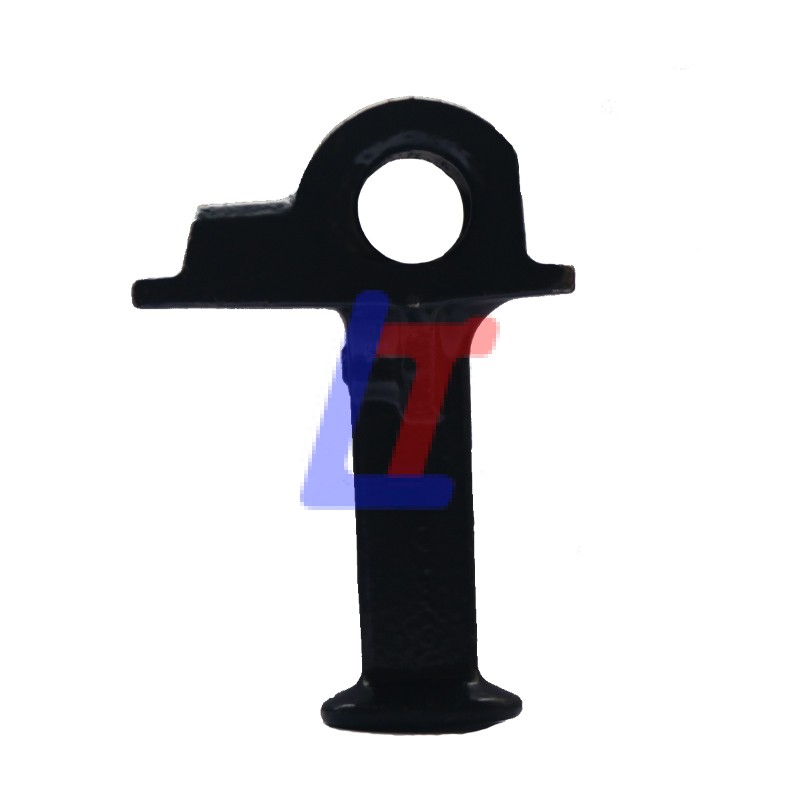
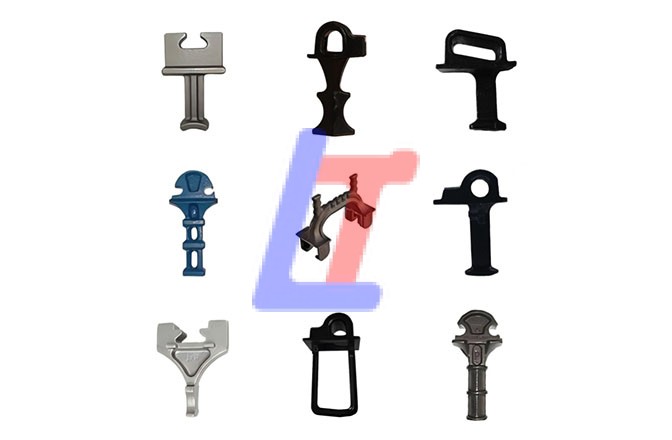
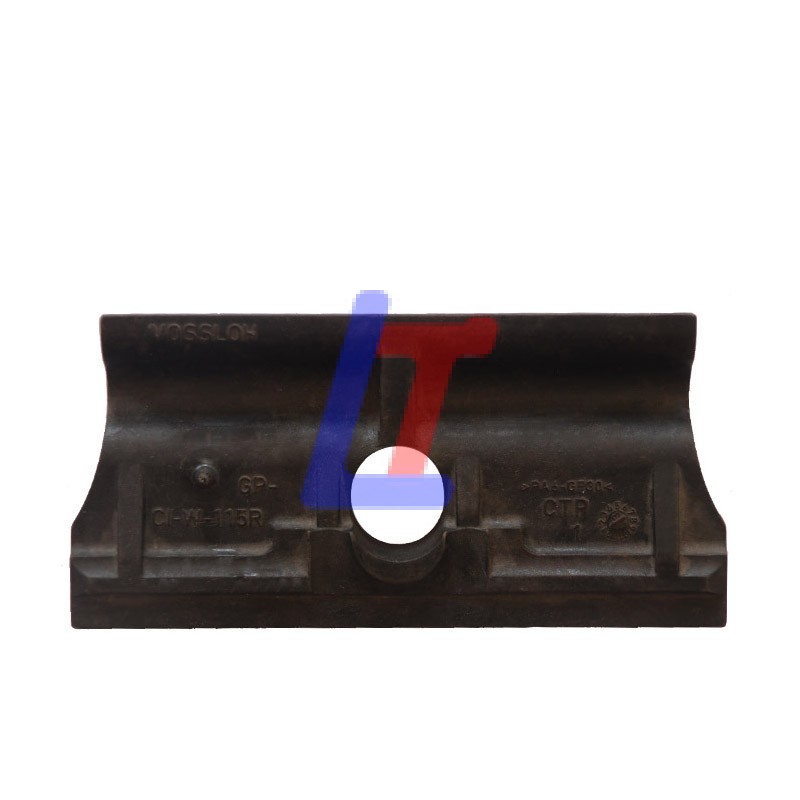
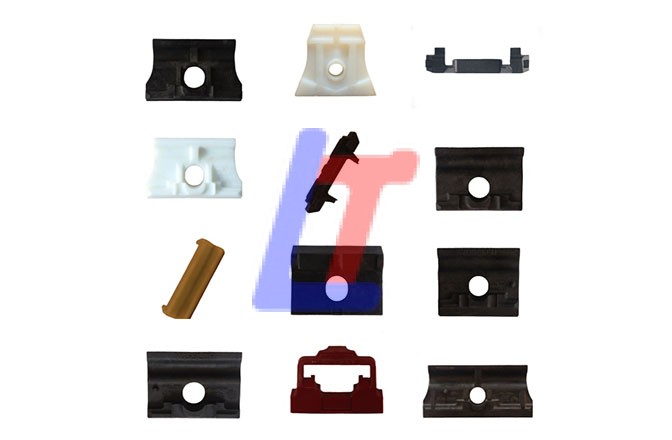
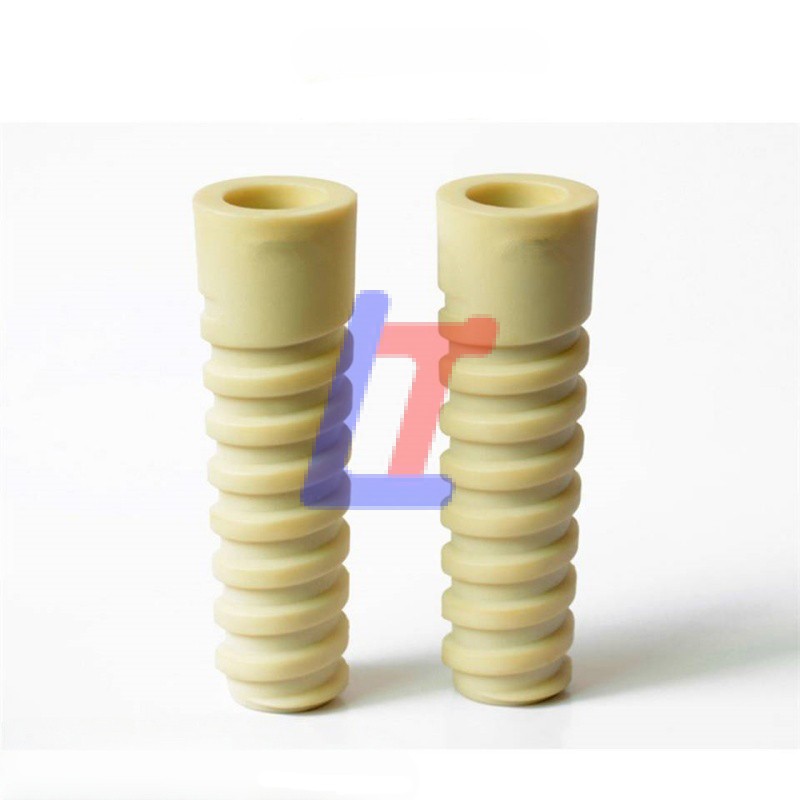
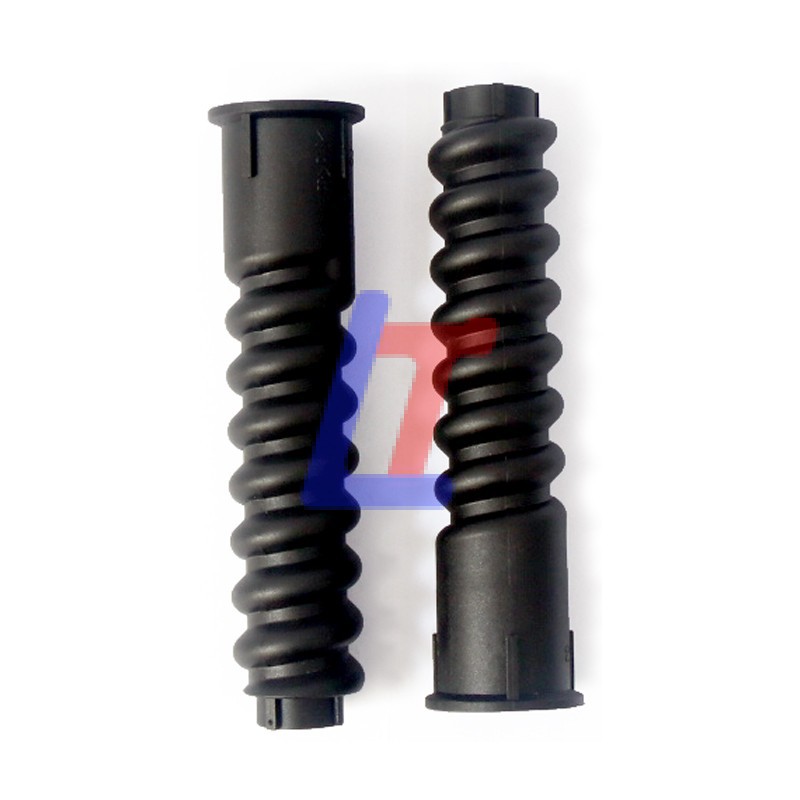
The Kenyan government is using a Public-Private Partnership (PPP) model to advance the project. Under this model, the public sector handles civil engineering, track and station construction. Meanwhile, the private sector takes charge of vehicle supply and operation. Linzhou Public Service Railway Equipment has long focused on railway equipment manufacturing. It specializes in the R&D and production of core products such as rail fasteners. Its products strictly follow international railway technical standards. For this reason, they have been widely used in many important railway lines at home and abroad.
The second phase of the Naivasha-Malaba Railway has specific needs, including cross-border transportation demands, regional geological characteristics and long-term operation guarantees. In response to these, the company can provide customized product solutions. For example, it offers high-strength rail accessories that adapt to East Africa’s terrain conditions. It also provides wear-resistant equipment to ensure long-term stable operation. All these products can meet the project’s strict requirements for reliability and durability. Furthermore, they help reduce the total life-cycle cost of the project.
Corporate Vision: Jointly Building a New Benchmark for Cross-Border Infrastructure
Linzhou Public Service Railway Equipment adheres to the philosophy of “Quality First, Technology Empowerment, Win-Win Cooperation”. It has built a complete production system, implemented strict quality control and provided professional technical services. Thanks to these efforts, it has gained a good reputation in the domestic and international railway construction fields. The launch of the second phase of Kenya’s Naivasha-Malaba Railway project brings an important opportunity. It allows the company to expand the East African market and participate in international infrastructure cooperation.
The company will closely track the project progress. At the same time, it will actively connect with project constructors and operators. It plans to deeply participate in the construction of East Africa’s railway network. To achieve this, it will rely on high-quality products, efficient services and flexible cooperation models. In doing so, it will contribute Chinese intelligent manufacturing strength. Specifically, it will help promote regional trade smoothness and infrastructure connectivity. Looking ahead, the company will continue to focus on technological innovation in the railway equipment field. It will also continuously enhance product competitiveness. Eventually, it aims to write more win-win cooperation chapters in the global rail transit construction wave.